
ESG 101
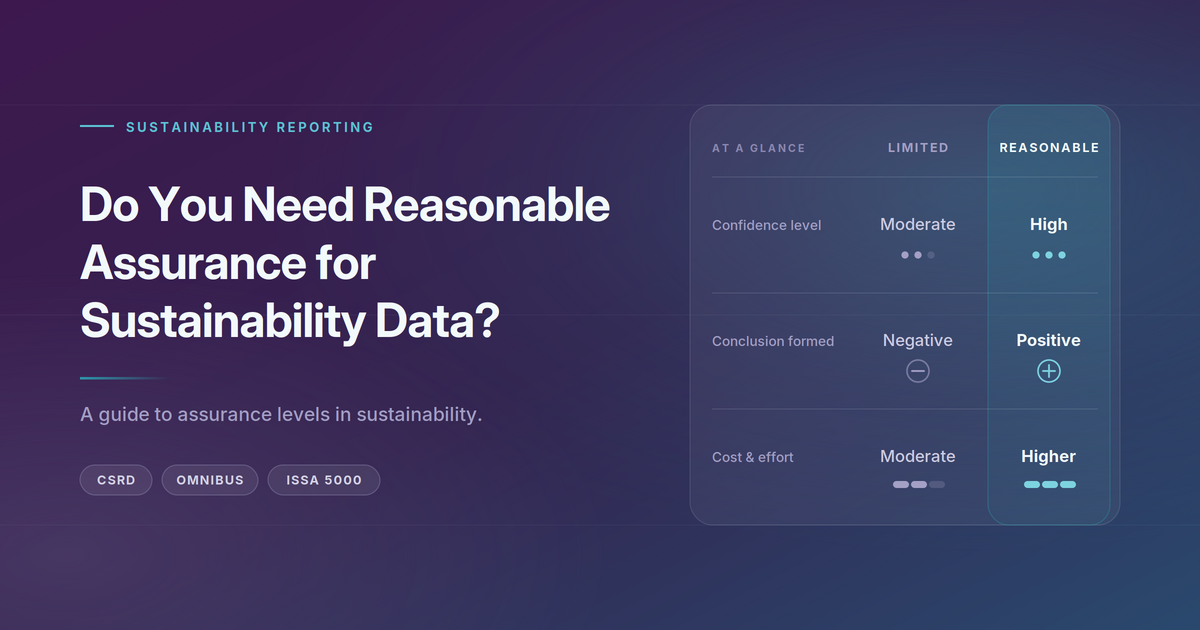
Do You Need Reasonable Assurance for Sustainability Data?
As sustainability reporting moves from a voluntary to a regulated, audited discipline, one question companies may ask is: do you actually need reasonab
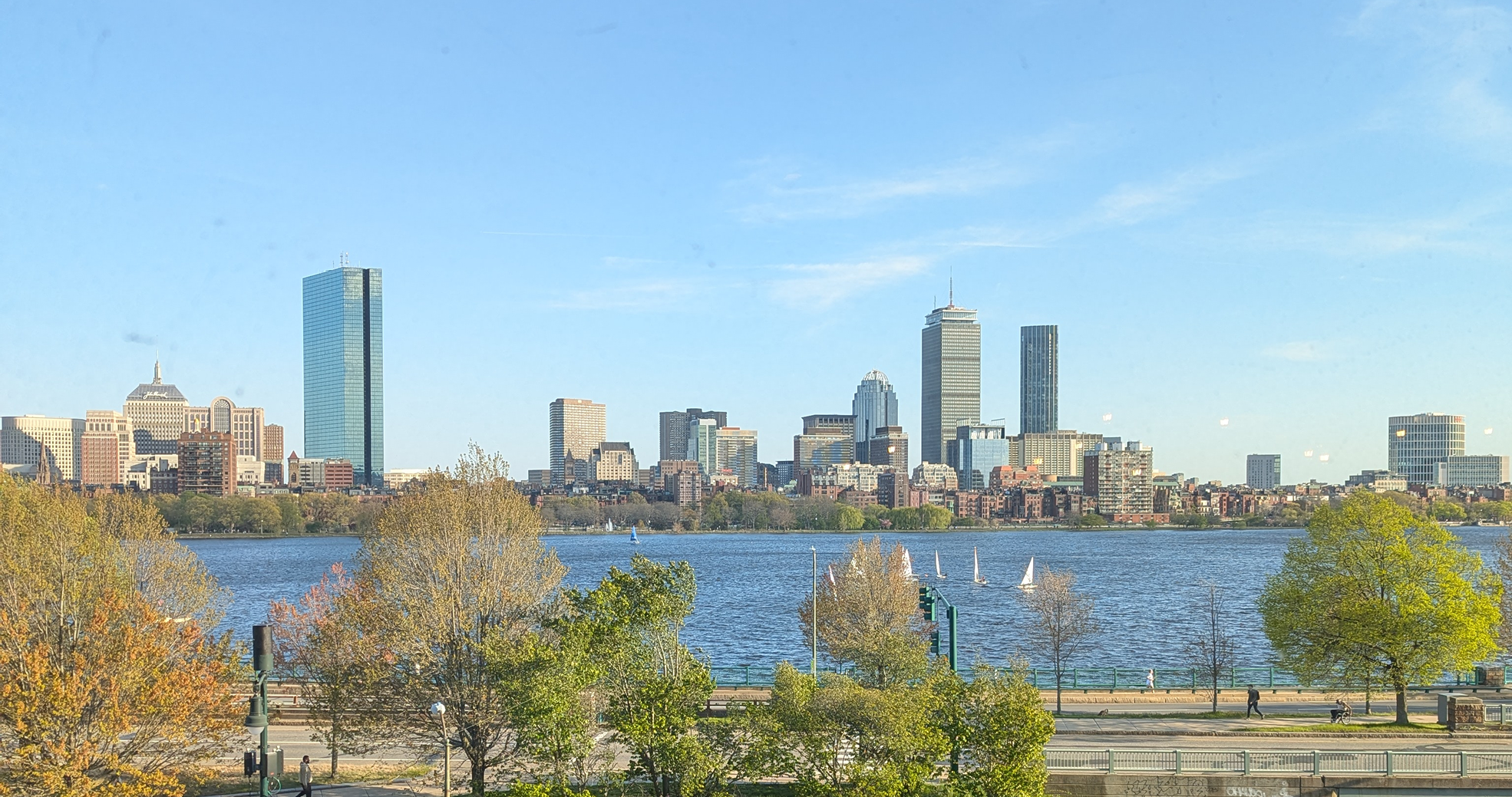
Boston was home for 9 years. I joked in my last Boston piece about never becoming a Patriots fan, so I won't relitigate that here. What I will say is that returning for the inaugural Boston Climate Week was the most fun I've had talking about sustainability across every minute I’ve been in Boston. The week also shed light on the fact that Boston is making a serious play to be a climate hub, with the pieces are mostly in place. The marketing, the timing, and the outreach to the investment management and other communities are what need the most attention before next year.
This is a recap of what I saw across the week, who I met, what stuck, and what I think Heads of ESG, Sustainability, and Investor Relations companies should take away from it. If you want the topline thesis: it was a massive step for Boston, the human and financial capital is real, and the next edition just needs a bigger megaphone… and earlier.
.png)
The inaugural Boston Climate Week ran May 3-10, anchored by ClimaTech at the Boston Center for the Arts on May 4-5. Organisers reported 5,000+ attendees across 100+ events. By any first-edition standard, that is a strong showing.
What was less strong was the lead time. Most of the investors and sustainability professionals I know didn't hear about Boston Climate Week until a couple of weeks out. The contrast with London Climate Action Week (20-28 June this year) is instructive. London is incredibly well-known, but as of writing, the publicised event slate for 2026 is still thin. People plan international travel and time off months ahead, not weeks. That was a big trigger for us to start planning the next Nossa Data gathering early.
The opportunity for Boston is real and worth saying directly. The city has:
The piece that needs to catch up is distribution to the IR, asset management, and wealth management communities. I had several catch-ups with old colleagues across the Boston investment ecosystem, and the consensus was that Climate Week barely crossed their radars. That is a fixable problem, but it has to be fixed early. NEST at New York Climate Week didn't become NEST in one cycle.
We hosted an informal evening with Beehive that, depending on which person you asked, was either a warm-up for the Net Zero Unconference or a wind-down from Reuters' day. Either way, the room was sustainability professionals talking honestly without a panel format.
Two things came up repeatedly as people approached me:
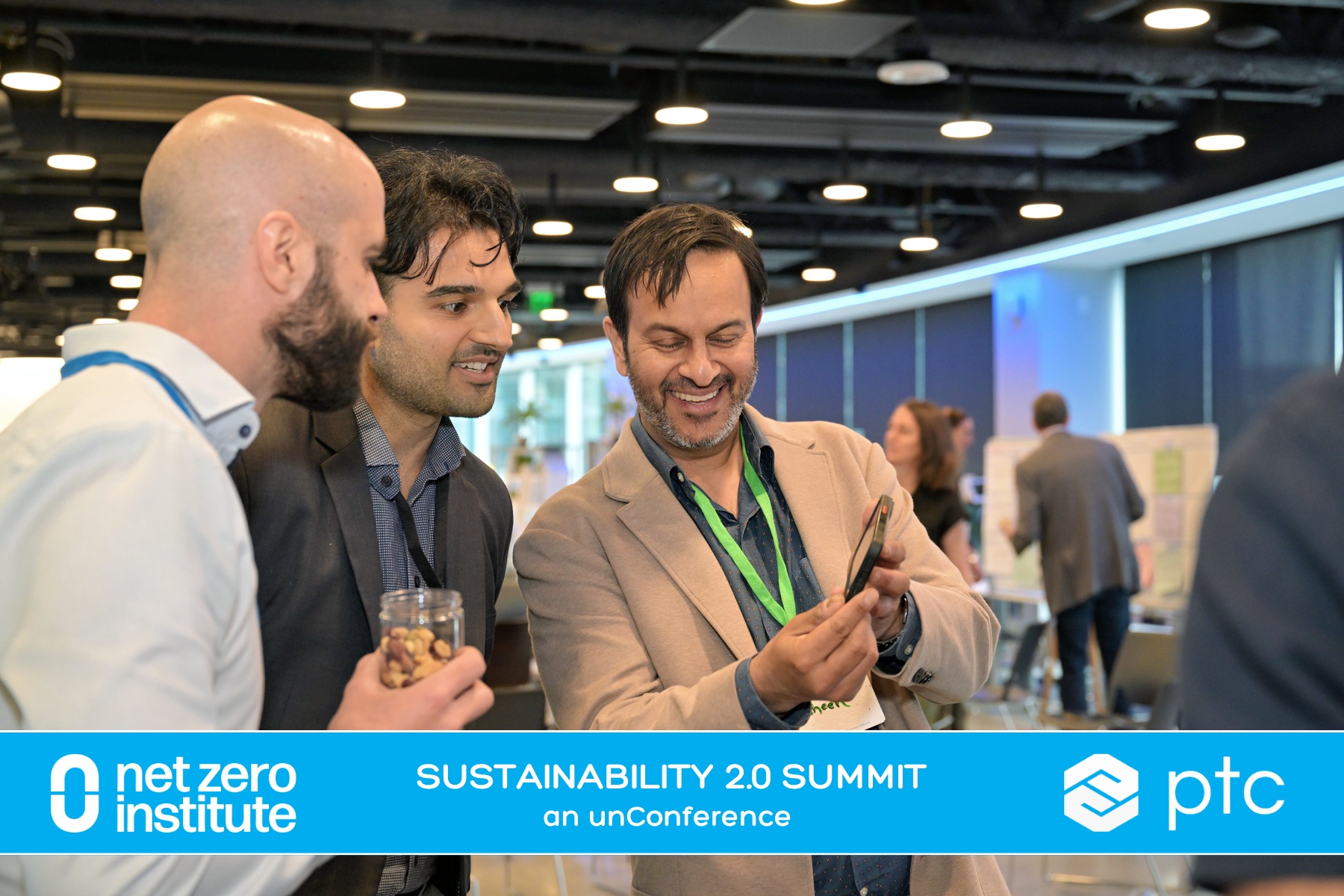
The format is exactly what it sounds like. No preset agenda. Attendees propose the topics on the day. Conversations get scheduled into rooms, and the most useful ones spread by word of mouth. It is Chatham House by design, so I'll keep attribution off and stay on the themes that came up, at the Net Zero Unconference (formally the Sustainability 2.0 Summit), held at PTC's Seaport offices on May 6th.
1. The new SBTi Corporate Net-Zero Standard V2 is the change to plan around. The final version is expected in spring 2026 and will become mandatory for new target-setting from January 2028. The pieces that will reshape internal workplans: an "Ongoing Emissions Responsibility" framework with mandatory carbon-credit use post-2035 for larger and high-income-market companies, independent verification of emissions data before target approval, mandatory climate transition plans, and five-year formal performance reviews with the possibility of random audits in between. Whatever your view on credits, this is the rule set that internal carbon teams need to brief their executive committees on now, not in 2027.
2. AWS' new Sustainability Console is going to change how digital emissions get reported. AWS launched a free, standalone Sustainability console on 31 March 2026 with Scope 1, 2, and 3 estimates by region and service, market-based and location-based methods, and public APIs. The legacy Customer Carbon Footprint Tool is deprecated on 30 June 2026. The reason this matters beyond cloud bills: sustainability teams will now have direct access without needing billing console permissions, which removes one of the most common bottlenecks between IT, finance, and reporting teams.
3. SAF and aviation. Sustainable aviation fuel came up several times. It is increasingly relevant for disclosures, but supply remains constrained and there is not enough demand for investment in solving the demand problem.
4. The omnibus and other regulatory delays are creating what should be fully expected… "license to wait." This is the one I partly proposed. Companies invested heavily, 10 to 30 people across ESG, data, legal, finance, in preparing for CSRD and adjacent frameworks. Then the omnibus compressed and delayed scope. The behavioural response we are seeing is a quiet pause: not full abandonment, but a temptation to defer the harder work. The risk is that the harder work, value-chain data quality, supplier engagement, double materiality refresh, doesn't get easier with time. It gets harder.

ClimaTech itself was the most concentrated showcase of climate tech I have seen in Boston. Founders, startup operators, scientists, investors who actually deploy capital, and the Mayor all in the room. The energy was right.
I cannot showcase or remember all of what I saw, but here are a couple of companies that stuck with me, and that I want to surface here for anyone scouting:
Microhabitat: turning underused urban surfaces, rooftops, terraces, ground-level patches, into productive, chemical-free farms. They quote 250+ urban farms across North America and Europe, partnerships with 35+ food banks, and roughly 59,400 lbs harvested. The angle that matters for corporate sustainability teams: this is a tangible, photographable, site-level lever for biodiversity, community engagement, and employee wellbeing disclosures, likely helpful for ESRS E4 and S1.
CEERUM, a product of Beacon Climate Innovations. A planning and mapping SaaS that helps public power utilities sequence distributed energy resources, electrification, and community resilience strategies. The interesting bit isn't the dashboard, it's that municipalities and utilities can run scenario analysis and track climate action plans against actual deployment. That is exactly the kind of public-sector counterparty that corporate sustainability teams increasingly need to coordinate with on Scope 2 procurement and grid decarbonisation timelines.
Honest observation across the showcase floor… several companies seemed to be very light on commercial basics. Market sizing, go-to-market sequencing, pricing logic, having a working website. The science was strong, the founder enthusiasm was evident, but I had multiple conversations where I couldn't quickly tell who the first ten customers were going to be or why they specialised on one group only. The investors I spoke with later in the week agreed. There is room here for the Boston ecosystem to layer in more commercialisation muscle around deep tech.
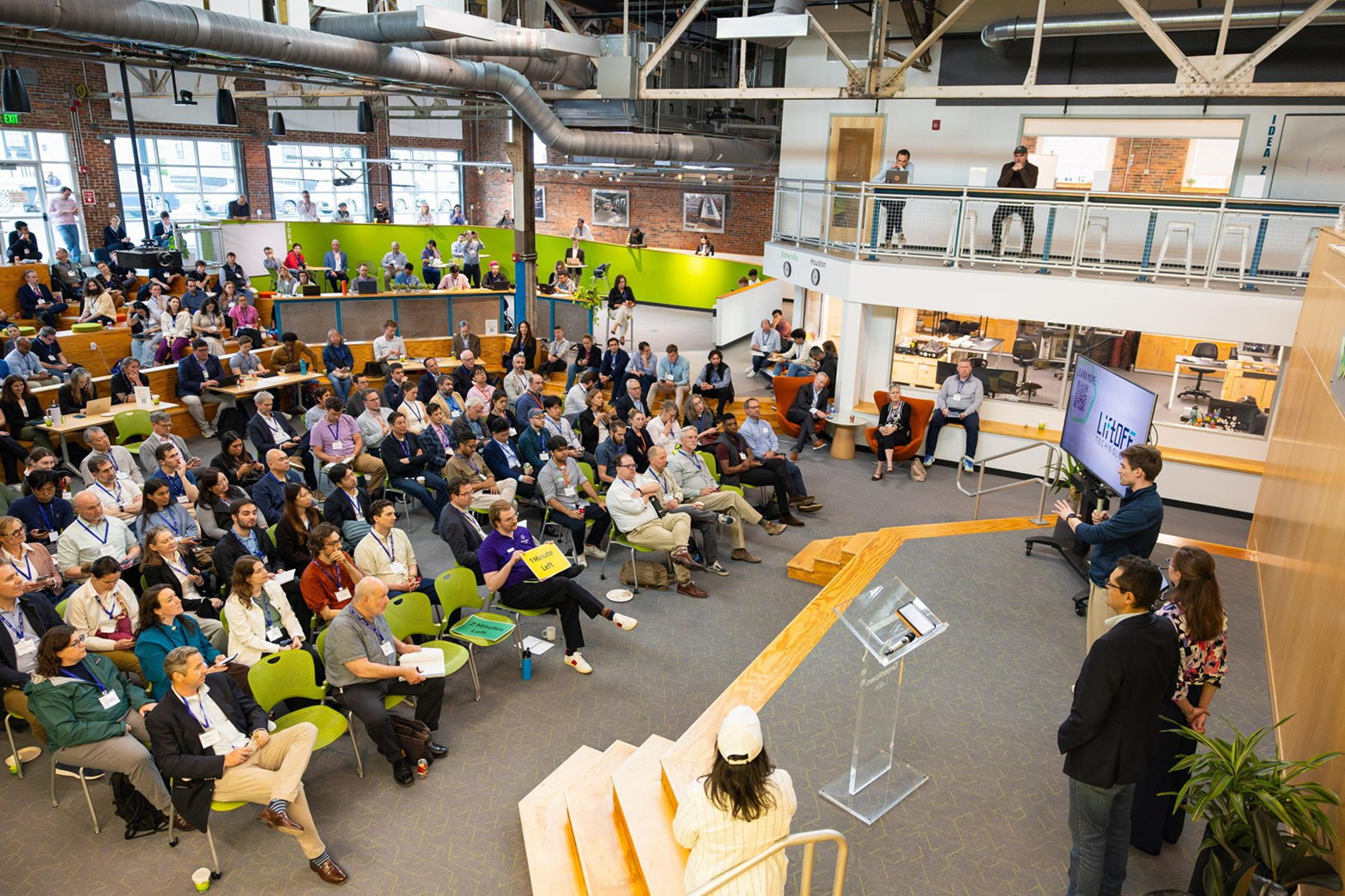
Different room, different vibe. This was the event where I met the most investors actively looking to deploy capital, and where I saw the clearest willingness in the Boston network to back high-capex projects. That matters. We are not going to decarbonise heavy industry, the grid, or industrial heat with software alone. Boston, more than most ecosystems I have seen, seems to actually like the physical stuff.
A few takeaways from those conversations:
A handful of meetings that didn't make it onto an agenda but shaped my week:
.png)
A short list, because this is the part most readers came for:
Boston Climate Week 2026 was, in my read, an ambiguous success for a first edition and a clear signal that the city wants this lane. The capital is there. The talent is there. The corporates that need to report are there. The pieces still to add are earlier marketing, deeper outreach to the investment community, and a continued push to commercialise the deeptech that the region is uniquely good at producing.
If you are a Head of ESG, Head of Sustainability, or Head of Investor Relations at a listed company, I'd argue Boston now deserves a slot on your annual climate calendar alongside NYC and London. I expect the second edition to make that decision much easier.
Wow, you made it this far! A bit more personal. A homecoming, honestly. Kendall/MIT has built up so much that I had to recalibrate where things were. Greentown Labs was running events daily where, in my early career, the likes of BASIC Boston had quarterly meetups and I waited for them anxiously to approach. Inman, Central, Somerville, the South End, Back Bay, Kenmore, Andrew Square / Dorchester, Seaport, every neighbourhood I walked through felt either more itself or more built up.
The exception, and I'll be honest about this because it actually matters for early-career sustainability folks, was the Financial District. Leaving a climate-oriented drinks around 8:30pm on a Thursday and finding very little open, dim streets, and old stomping grounds closed was a jarring contrast to the rest of the week. The slow return to office, more than anything else, seems to be the cause.
It is great that people can choose not to stay out late, drink, eat expensive dinners, etc. The honest concern is what replaces those settings for young professionals learning the soft skills that quietly built my career: networking, meeting investors / sustainability professionals, learning how to have a real conversation with a client over dinner, and making the noise for future events where a strong word of mouth outreach is required. Whatever fills that gap, Boston needs to make sure something does, to connect the investment community to sustainability initiatives. Climate Week, in its second year, could be part of formulating the answer.
.png)
At Nossa Data, we are proud to disclose that our ESG reporting software is an accredited and acclaimed ESG software that ensures reporting requirements are met, serving various organisations globally, including PensionBee, Vodafone, and more. Nossa Data provides tools to improve their ESG and makes their reporting processes more efficient. Nossa Data is CDP Accredited, an EcoVadis Training Partner, and a Friend of EFRAG - Sustainability, and works with both large listed companies and smaller companies subject to requirements (regardless of where you are on your journey) to drive business value and gain ROI, using just one platform.
If you'd like to compare notes on CSRD readiness, CDP / ESG ratings planning, or sustainability reporting workflows, book an introductory call and mention this article. We'll see you in London in June.